
ARTICLE:
The entertainment landscape has undergone a seismic shift in recent years, driven by the rapid growth of virtual reality gaming. This immersive technology has captivated audiences worldwide, revolutionizing the way we engage with entertainment content. It’s a transformation that’s been a long time coming – VR has been around for decades – but it wasn’t until the early 2010s that it started to gain mainstream traction. The release of the Oculus Rift in 2012 marked a watershed moment, paving the way for the development of more sophisticated VR systems that would change the face of the industry.
Early Adopters and Pioneers
The first VR enthusiasts were a dedicated bunch – gamers and tech enthusiasts who saw the potential for interactive storytelling and immersive experiences. Industry pioneers like Palmer Luckey and John Carmack played a crucial role in popularizing VR, laying the groundwork for the current market. These early adopters were willing to invest in expensive hardware, tolerate glitches, and experiment with different use cases. In doing so, they helped refine the technology, driving innovation and improvement that’s still felt today.
Mass Market Breakthrough
The breakthrough moment for VR came with the release of the PlayStation VR in 2016. This console-based system made VR more accessible to a broader audience, leveraging the existing user base of PlayStation gamers. It was a masterstroke – the success of the PSVR helped drive down costs, increase consumer awareness, and paved the way for more affordable VR options. The following year, the Oculus Go and Daydream View further expanded VR’s reach, making it possible for anyone with a smartphone to experience VR content.
Advancements in Hardware and Content
The rapid advancement of VR technology has been driven by improvements in hardware and content. The introduction of high-resolution displays, improved tracking systems, and more realistic graphics has significantly enhanced the VR experience. But it’s not just the tech that’s evolved – the proliferation of content has also been key. Developers are now creating diverse and engaging experiences that cater to different tastes and preferences. From social simulation games to educational experiences, VR has proven to be a versatile medium capable of delivering a wide range of content.
Impact on Traditional Entertainment
As VR continues to gain momentum, its impact on traditional entertainment is becoming increasingly evident. Movie studios are exploring VR experiences that complement their films, while theme parks are incorporating VR into their attractions. The boundaries between gaming, cinema, and theme park entertainment are blurring, as VR becomes a common thread. This shift has significant implications for the industry, as traditional business models are reevaluated in light of the new technology.
Blurring Lines with Online Gaming and the Rise of Immersive Experiences
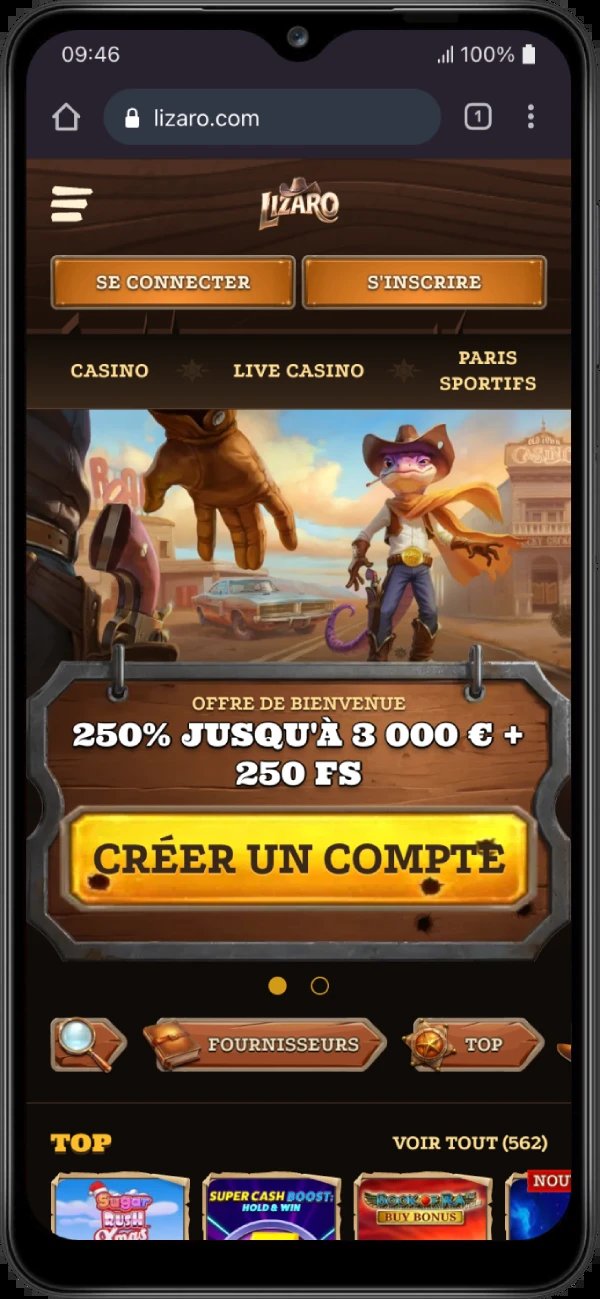
For those seeking to take their VR experiences to the next level, online gaming platforms offer a vast library of immersive content, from social games to casino-style entertainment. Whether you’re looking to explore virtual worlds or engage in competitive multiplayer, online gaming has evolved to become a seamless extension of the VR experience, allowing users to connect with others from around the globe. With the rise of innovative sites like Lizaro, the possibilities for online gaming and immersive experiences are expanding rapidly.
A New Era for Entertainment
The rise of virtual reality gaming has ushered in a new era for the entertainment industry, one that’s characterized by immersive experiences, innovative storytelling, and a blurring of traditional boundaries. As VR technology continues to advance and become more accessible, the possibilities for creative expression and audience engagement will only continue to expand, forever changing the way we experience entertainment.